

Kerf that "ate" the part
Cut width on laser and plasma differs. If sales counts net size and the machine counts with kerf, the part won't fit or goes to scrap. In List Master cutting, kerf is set explicitly.
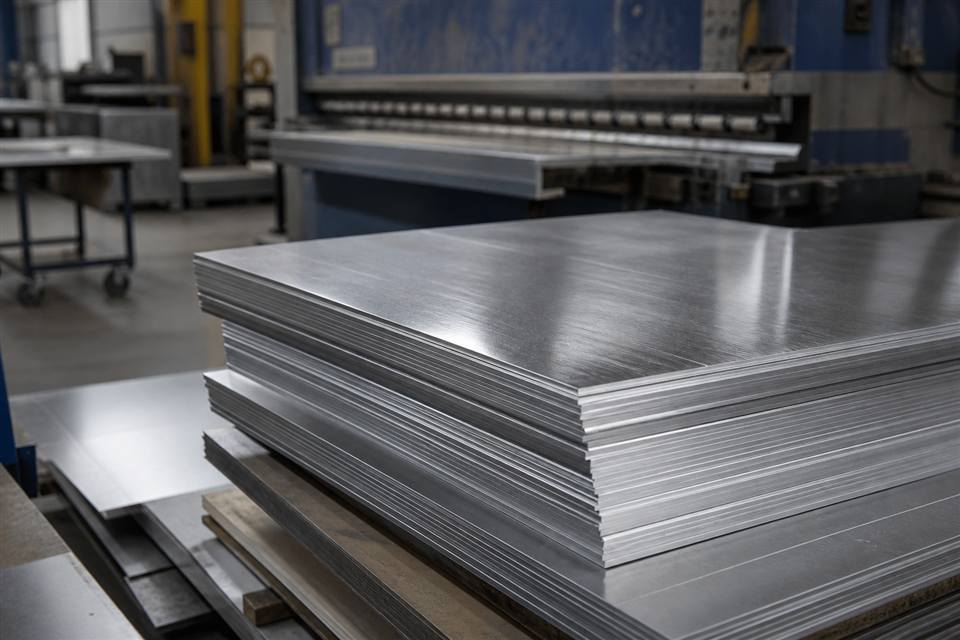
Sheet metal
Laser and plasma calculate nesting in CAM while money, warehouse, and queue live in chats. Kerf eats the part, burr eats post-processing, roll direction can't be rotated randomly. List Master links sales, sheet leftover, and cutting map; true-shape stays with the machine.
Shop floor pains
Cut width on laser and plasma differs. If sales counts net size and the machine counts with kerf, the part won't fit or goes to scrap. In List Master cutting, kerf is set explicitly.
Bending after cutting requires grain orientation. "Maximum on sheet" nesting without roll rules gives cracks on the shelf. The map must respect direction, not just area.
Deburring and painting live in another table. The client paid for "cutting" but the shop does two more steps. Order services close this gap.
Order, cutting with kerf, sheet and leftover warehouse, production. The manager sees material utilization before shop-floor release.
Map with kerf and utilization coefficient before release. Complex true-shape stays in CAM — List Master doesn't pretend to be a post-processor.
Scrap and offcuts with dimensions go to the warehouse, not a pile by the machine. The next order sees metal already paid for.
The manager doesn't build estimates in Excel: material, cutting, bending, finishing — order lines, invoice and act printing.
Process
Plans for Sheet metal. 14 days of full access, no card required.
Plans are temporarily unavailable.
Calculate a typical sheet with kerf and see which leftover the system keeps in the warehouse instead of scrap by the machine.